


Short answer: a custom home builder gives you one accountable team from design through keys, with pricing, permitting, and construction coordinated under a single contract. An architect + general contractor (GC) splits design and build into separate agreements, which can suit highly bespoke projects but often slows decisions and increases coordination risk. If you prioritise cost certainty, schedule discipline, and fewer handoffs, start with a builder‑led team and bring architectural design into that structure.
If you want one accountable partner, see how we deliver as a custom home builder with a fixed‑price contract, a detailed build schedule, and a client portal with daily logs and photos.
Who Does What: Roles And Responsibilities
Custom Home Builder (Design‑Build Lead)
A builder‑led team handles preconstruction budgeting, constructability reviews, permitting, engineering coordination, scheduling, and site delivery under one contract. Decisions move faster because design, estimating, and logistics sit in the same room. You approve once, not twice, and you hold one party accountable for results. This approach reduces change orders by aligning details and trade pricing before mobilization.
A strong custom home builder also integrates energy targets, inspection milestones, and supplier lead times early. That prevents rework when drawings meet reality. Because pricing evolves alongside design, you can protect scope without constant redesigns.
Architect (Design Scope)
The architect leads concept development, plans, and code compliance for the design. They may consult during construction, but they don’t manage the site day to day. If you hire an architect first, you will still need a GC to price, schedule, and build. This is a great path when you want a signature design and you’re comfortable coordinating between firms. The key to success is bringing a builder into the conversation early for budgets and constructability.
Clear deliverables and responsibilities matter. In a split model, questions during construction flow as RFIs back to the architect, which can slow progress if roles aren’t defined and response times aren’t enforced.
General Contractor (Construction Scope)
The GC prices the architect’s plans, manages trades and inspections, and delivers the build. When details are incomplete or impractical, the GC formally asks for direction through RFIs. If the architect and GC are separate from the start, you become the default coordinator unless you specify otherwise in your agreements. That handoff risk is the main reason many owners choose a builder‑led model.
Site management lives here: sequencing, safety, quality control, and inspection readiness. When the GC sits inside a design‑build team, those tasks are coordinated against the same budget and schedule used to design the home.
Contracts, Risk, And Accountability

One Contract Vs Two
Design‑build unites scope, budget, and schedule in one agreement. The team prices as they design, so you get earlier cost certainty and fewer surprises. In an architect + GC setup, you sign two contracts and reconcile design intent with construction realities later, often after engineering and tendering. That split can be fine, but you must actively manage it.
With one contract, accountability is clear. With two, you manage interface risk: drawings, specifications, allowances, and clarifications must be tight or they become change orders.
Change Orders And Cost Control
Integrated teams value‑engineer during design, so issues are solved on paper, not on site. Separate teams tend to generate more RFIs and potential change orders when details weren’t fully coordinated. You can blunt that risk by insisting on complete permit and construction sets, explicit allowances, and early builder input on complex assemblies.
A clean preconstruction phase is non‑negotiable. It’s where we lock inclusions, select critical fixtures, and place long‑lead orders to protect the schedule and the price.
Warranty And Aftercare
Post‑occupancy support is simpler when one firm owns the outcome. In British Columbia, verify that your builder is properly licensed and that new homes meet statutory warranty requirements; BC Housing maintains the licensing program and public registry for residential builders. You can search the Registry of Licensed Residential Builders and the New Homes Registry to confirm licensing and warranty enrolment before you sign.
Timeline And Decision Velocity

Decision‑Making In One Room
When design and construction live under one roof, the feedback loop gets short. We resolve details while drawings are still flexible, lock pricing earlier, and build against a realistic schedule. That discipline cuts idle time between revisions, purchasing, and inspections. It also keeps site crews productive because decisions are queued before they’re needed.
Owners notice the difference in fewer meetings and faster approvals. With one portal and one schedule, progress is easier to follow and easier to manage.
RFI Loops And Hand‑Offs
In an architect + GC model, questions on site become RFIs routed back to the design office. That’s normal, but without clear service levels it can introduce delays. If you choose a split model, define turnaround times for RFIs and submittals, appoint who coordinates responses, and budget contingency for late clarifications.
We’ve seen the split model work well when the owner assigns a dedicated project manager to hold both sides to the same schedule. Absent that, expect the calendar to stretch.
Permits, Engineering, And Inspections
Who Pulls Permits And Coordinates Consultants
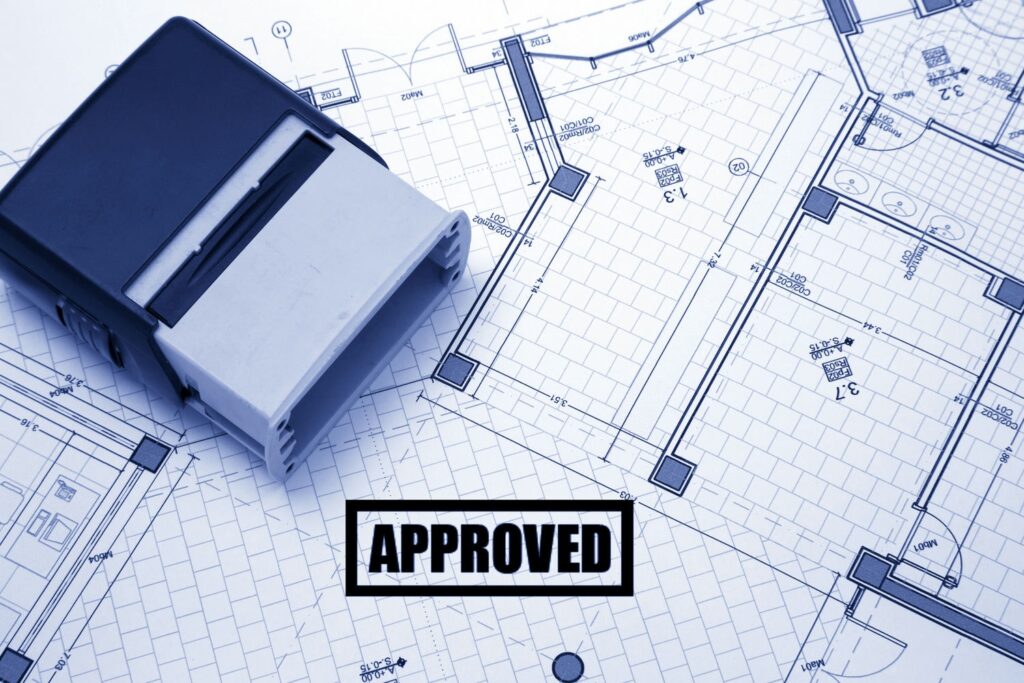
A builder‑led team typically packages structural, envelope, energy, and geotechnical inputs and assembles the permit submission. In a split model, you must assign permit drawings, application preparation, and inspection coordination explicitly so it doesn’t default to you. For Vancouver projects, the City outlines the steps to get a building permit, including when a development permit is needed, what to include in your application, and how to progress to construction and inspections. They also provide specific guidance for building a new house or laneway house.
Engage consultants early. Strength, envelope, and energy compliance are easier to solve before tendering. Late inputs cause redesign and add weeks.
Code, Energy Performance, And Site Constraints
Height, setbacks, floor‑space ratio, stormwater, and access constraints shape the design envelope from day one. In Vancouver, permit triggers also include alterations and new openings; when in doubt, the City’s When You Need A Permit page is the fastest way to confirm. Aligning Step Code targets and site realities during schematic design reduces rework and speeds approvals.
We build these requirements into the schedule and price so you know when decisions are due and what documentation is required.
Which Path Fits Your Project
Choose A Builder‑Led Path When
You want cost certainty, fewer handoffs, and one accountable partner. It suits most custom homes focused on performance, function, and clean execution. We fold architectural design, engineering, permitting, and trade pricing into a single preconstruction rhythm. That’s how we keep budgets intact and shovels moving.
Choose Architect + GC When
You’re pursuing a highly bespoke or experimental design and you’re prepared to manage interfaces. You’ll enjoy maximal design authorship, but you’ll own more coordination and timeline risk. If you go this route, bring a builder in during schematic design for budget guardrails, constructability inputs, and lead‑time checks.
Define responsibilities in writing. Decide who handles permits, submittals, shop drawings, and inspection scheduling before you sign anything.
Hybrid Collaboration
Many owners bring a preferred architect and engage the builder early for pricing, logistics, and permitting. This model pairs design ambition with delivery discipline and is often the sweet spot for custom work. It still needs a single project calendar and a clear decision path.
Quick Comparison Table
| Aspect | Custom Home Builder (Design‑Build) | Architect + GC |
| Accountability | One contract, one accountable partner | Two contracts; you coordinate between firms |
| Cost Control | Pricing integrated with design; fewer late change orders | Pricing follows design; higher RFI/change‑order risk |
| Permits & Consultants | Typically coordinated by builder | Must assign clearly or risk gaps |
For Vancouver projects, confirm permit triggers and submission steps with the City’s guidance. Vancouver
How Mavish Homes Reduces Risk
Fixed‑Price Contract And Detailed Build Schedule
We define scope, selections, and long‑lead items before site work begins. You get a fixed price and a build schedule you can plan your life around. That clarity drives better trade performance and steadier inspections because materials and decisions are queued on time.
Our schedule includes milestone reviews, municipal inspection windows, and supplier delivery buffers. The goal is predictable progress, not guesswork.
Client Portal With Daily Logs And Photos
You have 24/7 access to updates, approvals, and next steps. Daily logs, progress photos, and decision prompts keep momentum and reduce back‑and‑forth. When information is visible, change orders drop and trust goes up.
The portal also captures warranty records and post‑occupancy notes, so support is smoother after you move in.
Licensed, Insured, Safety‑First
Mavish Homes is fully covered by WorkSafeBC and maintains current clearance letters; any owner can verify a contractor’s clearance status through the WorkSafeBC portal. We’re PHBI certified, carry appropriate liability insurance, and for custom homes we provide a 3‑6‑10 warranty structure. Always verify licensing and warranty coverage for any builder you consider using BC Housing’s public registries.
Bottom line: fewer surprises, tighter coordination, and one accountable partner from concept to handover.
FAQs
Do I Still Need An Architect If I Hire A Custom Home Builder?
Often, yes. We integrate architectural design into the builder‑led team or collaborate with your chosen architect. The benefit is that design, budget, and permitting move together, and you keep one line of accountability for the result.
Which Model Gives Me A Firmer Price?
Design‑build typically provides earlier price certainty because estimating runs alongside design. In a split architect + GC model, pricing follows design, so aligning drawings with budget can take extra cycles and create change orders.
Who Pulls Permits In Each Setup?
Builder‑led teams usually package and submit permits and coordinate consultants during preconstruction. If you choose architect + GC, assign permit preparation, submissions, and inspections explicitly. For Vancouver specifics, use the City’s Get a Building Permit steps as your baseline.
What About Warranties And Aftercare?
A single warranty and service pathway is simpler when one firm owns both design coordination and construction. In B.C., verify that your builder is licensed and that your new home is properly enrolled in warranty using BC Housing’s registries.
Is Design Quality Lower With A Builder‑Led Team?
No. The difference is workflow, not ambition. Many projects pair a strong architect with a builder engaged early for constructability, logistics, and energy targets. You get both design quality and delivery discipline.
Can I Start With An Architect And Bring In A Builder Later?
Yes, but involve a builder during schematic design to set budget guardrails and lead times. Late involvement often forces redesigns or adds RFIs during construction.