

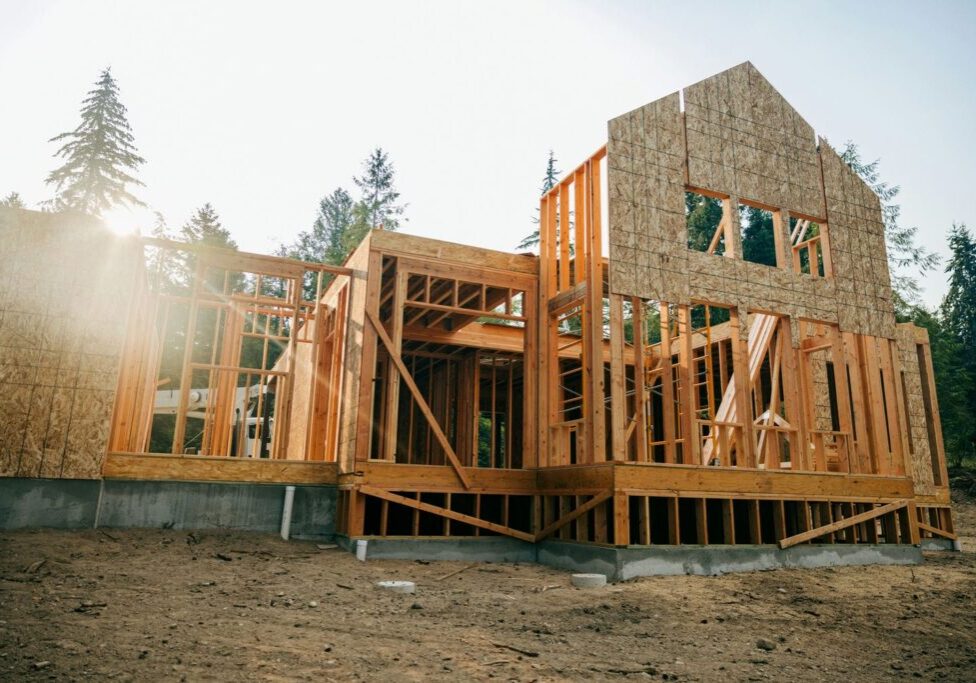
Structural “surprises” usually aren’t random. Most budget spikes come from a few predictable triggers: site conditions, big spans, large glazing, cantilevers and rooftop decks, retaining and shoring, and late engineering changes. If you want to reduce that risk before you commit to plans or pricing, start by talking to a custom home builder who can review feasibility, coordinate engineering early, and keep scope decisions tight.
This guide is written for homeowners planning a custom home in Greater Vancouver. It’s not engineering or legal advice. It’s a plain-language checklist that helps you spot the structural choices that typically move budgets, and the planning steps that keep those choices from turning into change orders.
At A Glance: The Structural “Budget Surprise” Shortlist
If you’re trying to protect your budget, focus on the structural moves that create the biggest ripple effects. These are the surprises we see most often when the concept looks simple, but the structure gets complicated.
Here’s the short list. If several of these apply to your project, plan for more engineering coordination and a more detailed preconstruction phase.
- Sloped lots and retaining walls
- Poor soils, groundwater, or deep excavation
- Big spans (open concept) requiring larger beams or posts
- Floor-to-ceiling glazing and reduced wall bracing area
- Cantilevers, rooftop decks, and complex rooflines
- Steel packages and fabrication drawings (plus long-lead risk)
- Late plan changes after structural design begins
- Underestimated temporary works (shoring, underpinning)
The key takeaway is simple: structure connects everything. When you change structure late, you usually change schedule and cost at the same time.
What People Mean By “Structural Costs” In A Custom Home
Many homeowners hear “structural cost” and think “framing lumber.” In reality, structural costs include the permanent structure you live in, the site-driven structure you don’t see, and the temporary work required to build safely.
Understanding these buckets helps you ask better questions early. It also helps you spot when a “small” design choice is actually a structural choice.
The Three Buckets: Permanent Structure, Site-Driven Structure, Temporary Works
Permanent structure is what you’d expect: framing, beams, posts, trusses, shear and bracing elements, and foundations. These costs rise when spans get longer, openings get bigger, or geometry gets more complex.
Site-driven structure is what the lot forces on you: stepped foundations, retaining walls, drainage integration, and additional reinforcement based on soil and groundwater conditions. Two homes with the same floor plan can have very different structural budgets based on the land alone.
Temporary works are easy to miss because they don’t “stay” in the house. Shoring, underpinning, dewatering, and safe excavation support can be required before you build the permanent structure. If they show up late, they feel like a surprise. If you plan for them early, they’re just part of responsible construction.
Why “Small Design Changes” Can Have Big Structural Ripple Effects
A small architectural change can be a big structural change. Widening an opening, moving a stair, removing a wall, or switching to larger glazing often affects load paths, beam sizing, bracing layouts, and sometimes foundations.
This is why structural costs can jump late in design. It’s not that the engineer “added extra.” It’s that the final plan asked the structure to do more than the early concept. The calmer path is to lock the major structural constraints early, then refine finishes later.
The Biggest Structural Surprises And What Triggers Them

Structural surprises tend to follow patterns. When you know the patterns, you can reduce risk without giving up good design. The goal is not to avoid ambition. The goal is to price ambition early and coordinate it properly.
Below are the most common triggers we see in custom homes, and what typically causes the budget to move.
Surprise 1: Slopes And Retaining Walls You Didn’t Budget For
Sloped lots often need retaining walls, stepped foundations, and more complex drainage. Even moderate grades can change excavation methods, spoil removal, and how the foundation is detailed. That’s where costs can swing quickly if you designed assuming a “flat lot” build.
The biggest surprise usually isn’t that the lot has slope. It’s that the true grade and drainage strategy weren’t confirmed early enough, so the design and budget didn’t reflect reality. If you’re still shopping for land, this is exactly why lot due diligence matters before you remove subjects.
Surprise 2: Soil, Fill, And Groundwater Changing Foundation Design
Soil conditions and groundwater influence foundation design, reinforcement, waterproofing, and sometimes the excavation approach. Unknown fill, soft soils, or high groundwater can turn a straightforward foundation into a more engineered solution.
The homeowner-friendly takeaway is simple: don’t design off assumptions. If the lot has signs of drainage issues, unusual retaining, or a history that raises questions, treat it as a risk item and plan early consultant input. It’s cheaper to confirm constraints early than to re-engineer late.
Surprise 3: Open-Concept Spans That Need Bigger Beams Or Posts
Open-concept layouts are popular, but they often shift structure into fewer, larger elements. Longer spans can require deeper engineered beams, steel, posts that land in specific locations, and stronger bearing details below. If you also want flush beams or hidden structure, complexity often increases.
This doesn’t mean open-concept is “expensive by default.” It means the span strategy should be decided early. If you keep moving walls and openings during design, you keep moving the structure, and the budget follows.
Surprise 4: Big Glazing And Fewer Places To Put Bracing
Large window walls can reduce the amount of solid wall available for bracing and shear resistance. When the structure loses those “simple” bracing locations, it often needs solutions elsewhere, such as additional framing strategies, more engineered details, or different bracing layouts.
This is one of the most common places where design intent and structural reality collide. The fix is coordination, not compromise. When architecture and structure are aligned early, you can often keep the look while avoiding last-minute structural redesign.
Surprise 5: Cantilevers, Rooftop Decks, And “Architectural Drama”
Cantilevers, rooftop decks, and complex rooflines can add cost because they require tighter control of deflection, more reinforcement, and careful detailing. Rooftop decks also introduce durability risk that needs strong waterproofing coordination, which can affect both structure and schedule.
These features can absolutely be worth it. The key is to price them early, confirm the structural approach early, and avoid changing them after engineering is advanced. Late changes here can cause redesign and procurement delays at the same time.
Surprise 6: Steel Packages And Structural Long-Lead Timing
Steel can increase cost through detailing, fabrication drawings, coordination, coatings, and sometimes crane time or access planning. Steel also interacts with schedule because fabrication runs on approved drawings and lead times. If decisions are late, steel can become a critical-path delay.
Even when you don’t need steel, engineered structural packages like trusses, beams, and specialty connectors can become long-lead items. If you want a practical view of how structural procurement can control schedules, this long-lead items guide lays it out clearly.
Structural Surprises: What Causes Them And How To Reduce Risk
Most structural surprises can be reduced with two habits: confirm constraints early, and stop redesigning the “bones” of the house late in the process. The table below keeps it simple so you can spot the trigger, the impact, and the prevention move.
Use this as a discussion tool with your builder and design team. If you can identify which row applies to your project, you can usually plan the right buffer and the right decision deadlines.
| Surprise | What Triggers It | Where It Shows Up | How To Reduce Risk |
| Slope + Retaining | Grade changes, drainage constraints | Excavation, foundations, retaining | Confirm grade and drainage early, design to the lot |
| Soil + Groundwater | Fill, soft soils, high water table | Foundations, waterproofing, rebar | Early geotech input, avoid assumption-based design |
| Big Spans | Open-concept, fewer bearing walls | Beams, posts, bearing points | Lock span strategy early, coordinate layouts |
| Large Glazing | Reduced wall bracing area | Bracing plan, engineered detailing | Align structure with glazing intent early |
| Cantilevers/Decks | Architectural features that push loads out | Reinforcement, deflection control | Price early, freeze key geometry early |
| Steel Packages | Complex openings, long spans, special details | Fabrication, coordination, schedule | Decide early, approve drawings fast, plan lead times |
| Late Plan Changes | Layout or opening changes post-engineering | Re-engineering, re-pricing | Decision deadlines, one source of truth for approvals |
| Temporary Works | Tight access, deep excavations, adjacent risks | Shoring, underpinning, safety | Identify early, budget as part of site plan |
How Codes And Seismic Realities Can Affect Structure And Cost
Codes and by-laws are not “optional requirements.” They set the minimum safety and performance rules your home must meet. Most homeowners never read them, and you don’t need to, but you should understand why certain structural elements show up in the plans.
This section is meant to give context, not to turn your project into a code study session. Your engineer and builder handle the technical work, but you benefit from understanding what drives decisions.
What Building Codes Are Actually Doing
The building code sets minimum requirements for safety, health, accessibility, and building performance. That includes structural safety. When a design pushes spans, reduces bracing wall areas, or introduces complex geometry, the structural solution has to meet code expectations for loads and performance.
If you want the official province-level entry point for BC Codes, the Government of BC maintains an overview of BC building codes and standards.
Vancouver Has Its Own Building By-Law
Not every municipality runs on the exact same framework. Vancouver, for example, has a Vancouver Building By-law that governs building requirements within the city, and it can influence process and expectations compared to other municipalities.
If you’re building in Vancouver, it’s worth knowing that the City maintains official information about the Vancouver Building By-law and related requirements.
Keep Seismic Context Practical
Greater Vancouver sits in an area where seismic risk is part of the broader regional context, and code requirements reflect that reality. For homeowners, the practical takeaway is that bracing and structural detailing are not “nice-to-haves.” They are part of building a home that performs as intended.
Where Structural Budget Surprises Show Up In The Schedule And Contract

Structural surprises don’t just show up in cost. They show up in time. When structure changes, drawings change. When drawings change, procurement and inspections can shift. That’s why structural planning is a schedule discipline as much as a design discipline.
If you want fewer budget shocks, you want fewer late structural decisions. That’s the heart of this section.
The Redesign Loop: Late Decisions Create Re-Engineering
The most common pattern looks like this: you finalize a layout, the engineer designs the structure, then the layout changes. That triggers re-engineering, updated drawings, and often re-pricing of structural packages. If long-lead items are involved, it can also push delivery dates and stall the build.
This is why a calm decision system matters. You don’t need to decide every finish early. You do need to stop changing the structure late. When you freeze critical constraints early, the rest of the project becomes easier to control.
Fixed-Price Vs Cost-Plus: How Structural Unknowns Get Handled
Structural unknowns show up differently depending on how your contract is structured. In some models, unknowns may be handled through allowances, contingency, or change orders. In others, the builder may push harder for early scope definition so pricing reflects real decisions, not guesses.
If you’re comparing contract models and trying to understand who carries risk when structure changes, this guide breaks down fixed-price vs cost-plus options.
How To Reduce Structural Surprise Risk Before You Break Ground

You can’t eliminate every unknown, but you can reduce the expensive ones. The biggest wins come from early site clarity, early structural alignment, and decision deadlines that prevent endless revisions.
Below are practical, homeowner-friendly moves that keep structure predictable without turning your build into a rigid process.
Confirm The Site Early: Survey, Grades, Drainage, And Early Consultant Input
Start with accurate information. A good survey and early confirmation of grade and drainage realities prevent “designing in the dark.” If the lot is sloped, has unusual retaining, or shows signs of drainage issues, treat those as budget drivers, not details to handle later.
Freeze The Right Decisions First: Critical Structural Constraints
You don’t need to freeze your entire design. You do need to freeze the decisions that drive structure: major spans, key opening sizes, glazing intent, roof form, and any cantilevers or rooftop decks. These elements are the “bones” of the project.
A simple rule helps: if changing it would change beams, posts, or bracing, treat it as a decision that needs a deadline. When those deadlines are clear, your engineer can design confidently, and your builder can plan procurement confidently.
Plan Procurement Around Structural Packages
Structural packages can become long-lead items, especially when they rely on shop drawings, fabrication, and coordinated installation windows. Trusses, engineered beams, steel, and specialty connectors all benefit from early decisions and fast approvals.
Use A Decision System That Prevents “Death By Revision”
Most projects don’t get blown up by one big mistake. They get worn down by a steady stream of small revisions. The fix is a simple decision system: one decision-maker, clear due dates, consolidated feedback, and written approvals so everyone works off the same version of the plan.
This is where preconstruction earns its keep. A structured preconstruction phase helps you lock decisions, coordinate engineering, and reduce redesign before the build starts.
How Mavish Homes Helps Keep Structural Costs Predictable
Structural surprises are usually planning surprises, so our job is to reduce ambiguity early. We coordinate the front end so site conditions, span strategy, glazing intent, and structural constraints are understood before decisions get expensive.
When scope is defined, we use a fixed-price contract model to reduce midstream churn, and we publish a detailed, dependency-driven build schedule that accounts for engineering milestones and structural procurement. You also get a client portal with daily logs and progress photos, so approvals don’t sit and decisions don’t stall the critical path.
If you want to de-risk structure early, work with a custom home builder like Mavish Homes to help you identify the structural budget drivers in your concept and your site, then map a plan that fits your timeline and priorities.
Frequently Asked Questions
What Are The Most Common Structural Surprises In Custom Home Builds?
The most common surprises are site-driven: slopes, retaining walls, soil conditions, and groundwater. The next most common are design-driven: big spans, large glazing, cantilevers, rooftop decks, and late changes that force re-engineering.
Does An Open-Concept Layout Cost More Structurally?
It can. When you remove bearing walls, the structure often needs longer beams, posts in specific locations, and stronger bearing details below. Costs rise most when spans are long, or when you want flush beams and clean ceilings with structure hidden.
Do Big Windows Increase Structural Costs?
They can, because large glazing reduces the amount of solid wall available for bracing and shear resistance. When those simple bracing locations disappear, the structure may need more engineered solutions elsewhere to meet performance requirements.
Why Do Sloped Lots Increase Structural And Site Costs?
Slope often adds excavation complexity, stepped foundations, retaining walls, and more detailed drainage planning. It can also affect access and staging, which can change construction logistics and sequencing.
When Should Structural Engineering Start On A Custom Home?
Early enough that structure and architecture are aligned before drawings and pricing are “locked.” If engineering begins after major design decisions are still moving, you increase the risk of redesign and re-pricing.
Can Structural Changes Affect Permits And Inspections?
Yes. Structural changes typically require updated drawings and coordination with the permit set, and they can affect inspection timing if changes occur after work is underway. That’s why late changes can create both cost and schedule impacts.
How Do You Budget For Structural Unknowns Without Guessing?
Start by identifying the risk drivers: slope, soil, groundwater, big spans, big openings, and complex geometry. Then confirm what you can early (survey and site checks), and make structural decisions that can be priced and scheduled before procurement.
Can Mavish Homes Help Review Structural Risk Before We Finalize Plans?
Yes. We can review your site and concept, flag the structural budget drivers early, and help you set decision deadlines so engineering and procurement stay predictable. The goal is fewer redesign loops and fewer change orders.