

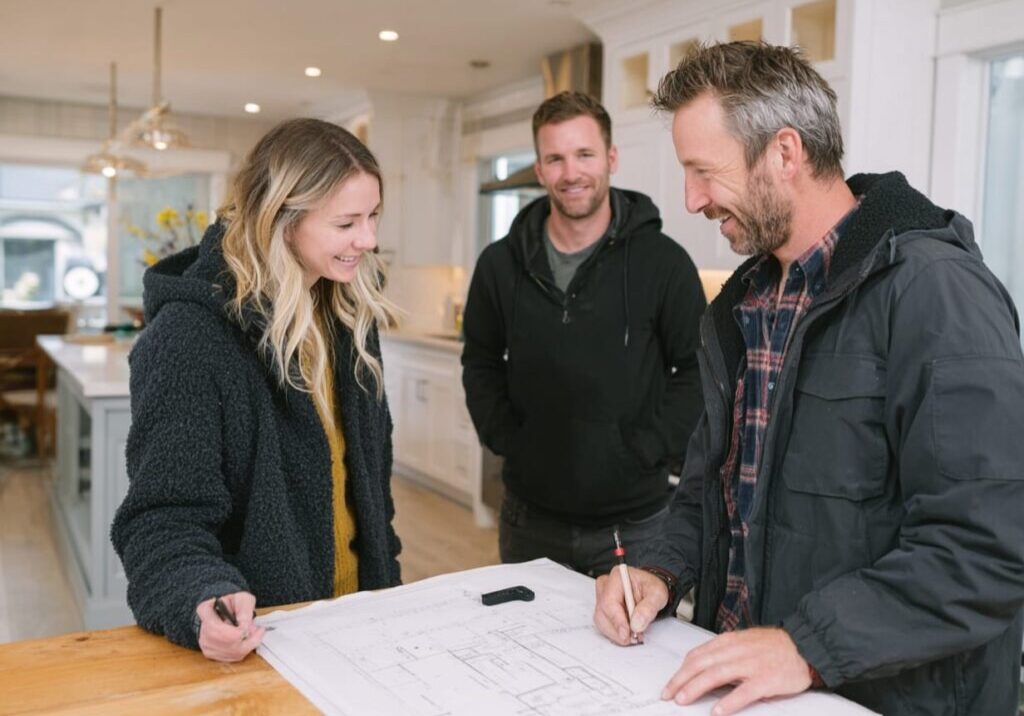
Preconstruction with your custom home builder is the planning and approvals phase where we confirm your lot, scope, budget, and schedule, line up surveys and drawings, complete energy modeling for BC’s Step Code, and prepare a permit‑ready package so construction can move smoothly. If you want one team to steer that entire front end, work with a custom home builder who handles design, permits, and timing from day one.
Preconstruction is where you make the most important decisions with the lowest cost of change. Done well, it reduces surprises later, shortens your time on site, and gives you a clear roadmap from today’s ideas to a build that passes inspections and feels right to live in.
At A Glance: Preconstruction Checklist And Timeline
Preconstruction is not just “paperwork.” It is a series of practical steps that turn your wish list and lot into a buildable, code‑compliant, and budget‑aligned plan. A typical preconstruction phase can run from several weeks to a few months, depending on design complexity, municipal requirements, and how quickly decisions are made.
At a high level, your builder will help you:
- Clarify goals, budget, and delivery model.
- Order surveys and any needed reports (geotechnical, arborist, etc.).
- Develop concept plans and move to permit‑ready drawings.
- Complete energy modeling to meet the BC Energy Step Code.
- Set allowances and early selections for long‑lead items.
- Submit your building permit and plan around review timelines.
The time you invest here directly affects your overall timeline. If you want to see where preconstruction fits into the full journey from concept to move‑in, take a look at how long it takes to build a custom home in Greater Vancouver.
Step 1: Clarifying Scope, Budget And Delivery Model

Room List, Square Footage And Must‑Haves
Preconstruction starts with a conversation about how you live now and how you expect to live in the next 10 to 20 years. We translate that into a room list, square footage targets, and must‑have features such as rental suites, home offices, ageing‑in‑place details, or outdoor kitchens. This gives the design team a clear brief and keeps everyone aligned on priorities.
We also look at how your wish list fits the site: zoning, setbacks, and height limits all affect what is realistic. By right‑sizing the program at this stage, we reduce the risk of major redesigns later, which keeps both design fees and timelines under control.
Aligning Budget, Allowances And Finish Level
Once the rough size and program are defined, we build a working budget. That budget includes line items for structure and mechanical systems, plus allowances for finishes like flooring, tile, plumbing fixtures, lighting, and appliances. We explain the difference between fixed prices and allowances, and how choosing above or below an allowance will change the final cost.
This is also the moment to talk honestly about finish level. If you prefer engineered hardwood and custom cabinetry, we will set allowances that reflect that, rather than under‑estimating and forcing uncomfortable conversations later. For a deeper look at how finish level and scope affect cost, you can review our custom home pricing overview.
Choosing When To Bring The Builder In
Some owners start with an architect and only bring in a builder when drawings are almost finished. Others prefer to bring the builder in early so budget, constructability, and schedule are part of every design decision. Preconstruction works best when the builder is involved from the start, so we can guide the team away from details that are costly, hard to build, or slow to permit.
If you are still deciding whether to hire a builder first or have an architect lead and then tender the project, we break down the pros and cons in our custom home builder vs architect + GC guide.
Step 2: Surveys, Studies And Site Due Diligence
Land Survey, Topography And Existing Conditions
A current land survey is the backbone of your design and permit package. It shows accurate property boundaries, spot elevations, easements, rights‑of‑way, existing buildings, and sometimes trees and utilities. We coordinate a survey with a B.C. Land Surveyor and share it with your designer, engineer, and energy modeller so everyone is working off the same base information.
Using that survey, we confirm how much buildable area you truly have after setbacks, height, and site coverage rules are applied. This keeps the design realistic and supports cleaner interactions with the City when it comes time to apply for your permit.
Geotechnical, Arborist And Other Reports
Not every site needs extra studies, but many do. Steep slopes, soft soils, or history of fill may trigger a geotechnical report. Mature or protected trees can require an arborist report and a tree‑protection plan. In some cases, additional environmental or servicing reviews are also required before a permit can be issued.
Your builder’s role is to flag when these reports are needed, bring the right professionals to the table, and fold their recommendations into the design. Doing this early avoids last‑minute surprises that can halt your permit or force costly engineering changes during construction.
Utilities, Access And Neighbour Considerations
Preconstruction is also the time to understand how your home connects to sewer, water, storm, gas, and power. We confirm where the services are, whether upgrades are needed, and how that work will be sequenced. This information informs site planning and helps estimate costs.
Access and neighbour context matter too. Tight streets, narrow lanes, and limited on‑site storage will influence crane use, delivery timing, and staging. Thinking about these constraints before construction starts leads to a more realistic schedule and a smoother experience for everyone on your block.
Step 3: Drawings And Design Development
From Sketches To Permit‑Ready Plans
Once the brief and site data are clear, sketches become plans. Preconstruction is where concept drawings turn into a coordinated set of floor plans, elevations, roof plans, and sections that satisfy both your design goals and municipal rules. We review these with you in stages so you can react to layout, flow, and light before details are locked in.
As the design matures, we make sure the plans remain aligned with your budget and timeline. If certain design moves are likely to add significant cost or slow down construction, we will flag them and suggest options. By the time the drawings are ready for permit, you understand how the design, cost, and schedule fit together.
Coordinating Structural, Mechanical And Envelope Details
Behind every clean floor plan is a web of structure, mechanical systems, and envelope details. In preconstruction, we help coordinate structural engineering (beams, point loads, lateral bracing), HVAC layout, plumbing stacks, and the building envelope (insulation, air barriers, vapour control, and windows). Getting this right on paper reduces conflicts on site.
These decisions affect more than comfort. They influence Step Code performance, inspection outcomes, and even future maintenance. We work with your consultants to create a package that meets local requirements and performs well, while also staying practical for the trades that will build it.
Step 4: Energy Modeling And BC Energy Step Code Planning

What Energy Modeling Does For Your Design
Under the BC Energy Step Code, homes must meet specific performance targets rather than only prescriptive rules. Energy modeling is how we test your design on paper and show that it will meet or exceed the required level. In preconstruction, we bring in an energy advisor to model your home based on orientation, glazing, insulation, mechanical systems, and airtightness.
This modeling allows us to explore “what if” scenarios before you commit to assemblies and equipment. For example, we can see how changing window types or adding more exterior insulation affects performance and cost. That way, your final design is both comfortable and compliant, without over‑spending in areas that do not add value for you.
Step Code Levels, Airtightness Targets And Testing
Different municipalities may require different Step Code levels. Your energy advisor will recommend a path to meet those levels and set airtightness targets, which are later verified with blower‑door tests. We use those targets to inform envelope detailing, framing approaches, and sequencing of air‑sealing work during construction.
If you would like to see the provincial framework your project sits within, the Government of British Columbia publishes an Energy & Zero Carbon Step Codes Guidebook that explains the intent and requirements in more detail.
Step 5: Permit Applications And Approval Path

What Goes Into A Permit Package
A complete building permit package does much more than show pretty drawings. It typically includes architectural plans, structural drawings or letters, the land survey, energy modeling reports, application forms, and any supporting studies such as geotechnical or arborist reports. In preconstruction, we collect and check each component against the City’s checklist.
Your builder leads this process so there are no missing pieces. We confirm the latest municipal requirements, coordinate with consultants to close gaps, and assemble a submission that is easy for plan reviewers to understand. A clean, complete package is the fastest route to approval.
Who Talks To The City (And When You Are Involved)
Once the permit package is submitted, the City may ask questions, request clarifications, or require minor changes. We manage that back‑and‑forth, provide additional information, and coordinate any drawing updates with your designer and engineers. You stay informed through regular updates but do not need to respond to every technical question.
You are typically involved at key moments: signing application forms, authorizing scope adjustments if a bylaw forces a change, and paying permit fees.
Step 6: Allowances, Specifications And Schedule Lock‑In
Building An Allowance List That Matches How You Live
Preconstruction is also when your contract and specification list take shape. We work with you to define allowances for key finish categories such as flooring, tile, plumbing fixtures, lighting, and appliances. These allowances are based on your style and expectations, not generic averages, so you can shop with confidence.
We document brand or quality preferences and flag areas where you might want to invest more or save. This level of clarity means that when you are selecting fixtures and finishes during construction, you already know what level the budget supports.
Early Selections And Long‑Lead Items
Some decisions simply cannot wait until construction starts. Windows and exterior doors, mechanical equipment, and custom cabinetry often have long lead times. In preconstruction, we identify these items, set deadlines for selection, and start coordinating shop drawings where needed.
By making these calls early, we can release orders in time for materials to arrive before they are needed on site. This is a key reason well‑run preconstruction leads to smoother builds: long‑lead items land on site when crews need them, instead of leaving your home sitting at lock‑up waiting for parts.
How Preconstruction Sets Up A Smooth Build
Why Time Spent Upfront Saves Months On Site
It is tempting to rush through preconstruction to “get started,” but time invested here often saves months later. Complete drawings and coordinated engineering reduce mid‑build design changes. A thoughtful permit strategy lowers the risk of resubmissions. Clear allowances and early selections cut down on last‑minute scrambles and change orders.
The result is fewer stop‑starts, more predictable cash flow, and less stress. Trades can work in a logical sequence, inspections are easier to plan, and you spend more of your construction phase moving forward instead of revisiting old decisions.
How Your Role Changes After Preconstruction
During preconstruction, you are deeply involved in decisions about layout, finishes, and budget. Once construction starts, your role shifts. You still make choices and attend walkthroughs, but much of the day‑to‑day coordination is between your builder, trades, and inspectors. A solid preconstruction phase gives you the confidence to let go of the details without losing sight of the bigger picture.
From that point, our project management team takes the lead on scheduling, site logistics, and communication, while you use the client portal to track progress, approve changes, and ask questions.
Key Takeaways and Next Steps
Preconstruction is where you and your builder make the most important decisions: scope, design, budget, energy performance, permits, and schedule. It is also where a good plan can prevent delays, reduce change orders, and make the construction phase feel much more straightforward.
A capable custom home builder coordinates surveys, drawings, energy modeling, and permit submissions so your build starts clean and stays on track. At Mavish Homes, we pair that with a fixed‑price contract model, a detailed build schedule, and a 24/7 client portal with daily logs and progress photos, all backed by PHBI certification, BC Housing registration, WorkSafeBC coverage, and Pacific Home Warranty for custom homes.
If you would rather not juggle consultants, City requirements, and long‑lead items yourself, we can handle preconstruction from day one. Book a consultation and we will map out surveys, drawings, energy modeling, permits, allowances, and timing so you know exactly what comes next.
Frequently Asked Questions
How Long Does Preconstruction Usually Take For A Custom Home?
Preconstruction typically spans several weeks to a few months. The length depends on how complex your design is, how quickly you are able to make decisions, and how long your municipality takes to review building permits. The more complete and coordinated your package is when it goes in, the smoother this phase tends to be.
What Surveys Do I Need Before I Can Submit A Building Permit?
Most custom home projects require a current land survey prepared by a B.C. Land Surveyor. Depending on your site, you may also need a topographic survey and additional information on trees, easements, or existing structures. In some cases, geotechnical or arborist reports are also needed. Your builder will recommend which studies apply to your lot and coordinate them as part of preconstruction.
Who Organizes Energy Modeling And Step Code Compliance?
Your builder typically engages an energy advisor to model your home and confirm that the design will meet the BC Energy Step Code requirements for your municipality. We coordinate the modelling, review the recommendations with you and your designer, and plan for airtightness testing and documentation later in the build.
Do I Need To Have All My Finishes Picked Before Preconstruction Ends?
You do not need every single finish finalized before preconstruction wraps up, but some items do need to be chosen early. Windows, exterior doors, mechanical equipment, and custom cabinetry are often long‑lead items that must be ordered well in advance. Your builder will identify which selections are time‑critical and help you prioritize those, while leaving room to refine other details later.
What Does My Builder Submit To The City, And What Do I Have To Sign?
Your builder prepares and submits the full permit package, including drawings, reports, and application forms. You will usually sign owner declarations, authorize the application, and pay the permit fees. After that, we handle most of the technical communication with the City, keeping you updated on progress and any changes that may affect design, cost, or timelines.
What Happens If The City Asks For Changes During Review?
If the City requests changes, we review their comments, propose solutions, coordinate any drawing or report updates with your consultants, and resubmit on your behalf. You are looped in when a requested change affects the look of your home, the budget, or the timeline. The goal is to resolve comments efficiently while protecting the intent of your design and the overall schedule.