

If you do nothing else, focus on better flow, more natural light, energy performance, and real storage. These four choices improve day‑to‑day living, cut operating costs, and signal quality to future buyers. Everything else should ladder up to these outcomes.
If you want a clear plan and a firm number, start with our full home renovation service. We use a fixed‑price contract, a meticulous build schedule, and a client portal with daily logs so you always know what’s happening.
What “Worth It” Really Means In Greater Vancouver
Lifestyle Fit First
Start by mapping how you live. Identify where you cook, work, gather, and decompress. Then design circulation so rooms connect logically and bottlenecks disappear. A remodel that fits your life reduces daily friction more than any surface upgrade.
Think in zones: quiet vs. social, clean vs. messy, short‑term vs. long‑term storage. When a floor plan respects how you move, you use more of your home and rely less on additions. That’s value you feel every day.
Total Cost Of Ownership
“Worth it” is more than resale. It’s comfort, noise, drafts, moisture control, and monthly energy bills. Upgrades to the building envelope and mechanical systems pay back as a calmer, quieter, more efficient home.
Look beyond the sticker price. A remodel that tightens the envelope and right‑sizes HVAC often reduces repair risk and utility costs. Over a decade, those savings make premium materials and better detailing easier to justify.
Resale Signals Buyers Notice
Buyers respond to function first. A kitchen with smart prep zones, a primary suite with proper storage, or a bathroom with heated floors set a baseline of quality. Logical bedroom counts and a coherent main‑floor plan matter more than trend finishes.
Well‑placed windows, clean sight lines, and adequate storage help listings photograph better. That translates into more showings and stronger offers, even when the home isn’t the largest on the block.
The Highest‑Payoff Design Moves (Ranked)

Re‑Plan The Main Floor For Flow
Fix choke points, align openings, and get the kitchen, dining, and living spaces working together. You’ll use the space more fully and entertain without backtracking. In many houses, a few strategic structural changes beat adding square footage.
Maximize Natural Light
Bigger, better‑placed openings change how rooms feel. Consider widening existing windows, adding a skylight, or carving a light well. Balance solar gain with shading and glazing choices, not just blinds.
Window and opening changes can trigger permits and documentation. Vancouver outlines when permits are required, and where to start with applications and checklists. Plan early to avoid rework.
Kitchen That Works Like A Workspace
Treat the kitchen like a production space. Create clear prep, cooking, and cleanup zones; add landing space at the fridge, range, and sink. Use durable counters, quiet ventilation, and cabinet inserts that actually organize what you own.
Avoid moving services unless function demands it. Sometimes a better island shape and relocated appliances deliver the same benefit for less disruption.
Primary Suite And Bathrooms That Function
A curbless shower, a properly sized vanity, and heated flooring do more for daily life than luxury tile alone. If space is tight, re‑plan walls first, then upgrade finishes.
Think about privacy and morning routines. Well‑placed doors, quiet fans, and built‑in storage reduce clutter and conflict in high‑use spaces.
Storage That Kills Clutter
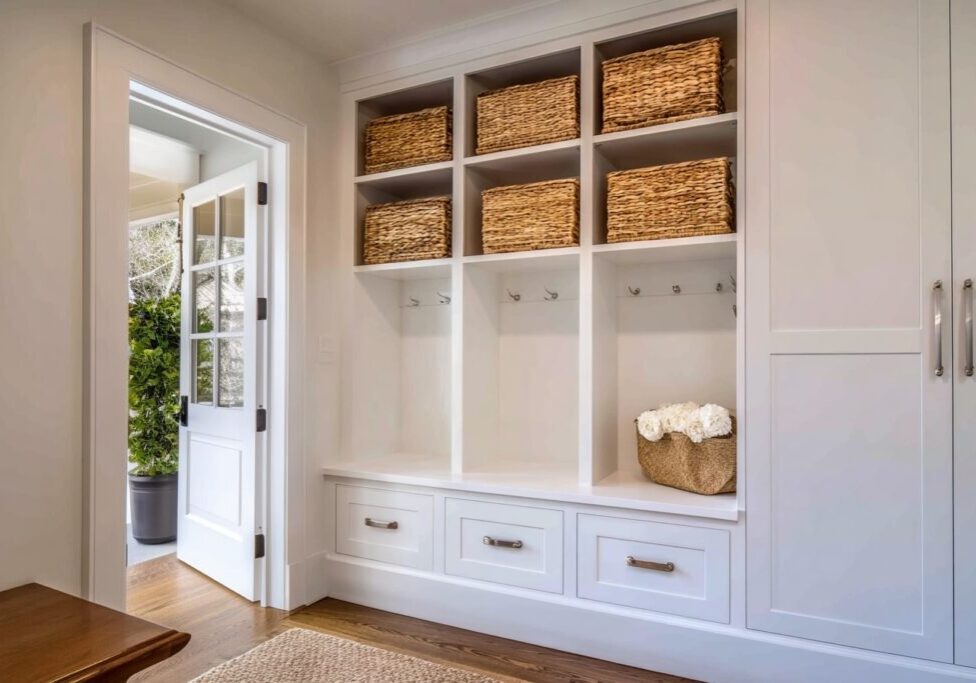
Design storage for real items: sports gear, seasonal bins, vacuums, and pantry staples. A mudroom with closed storage, a true pantry, and built‑ins in living areas tame daily mess.
Good storage makes rooms feel larger without adding square footage. It also helps homes photograph better and live better long‑term.
Energy Performance Upgrades That You Feel
Start with the envelope: air‑sealing, insulation, and high‑performance windows. Then right‑size heating and cooling, favouring heat pumps and balanced ventilation. These choices align with B.C.’s Energy Step Code, which sets performance expectations for more efficient, comfortable buildings. Government of British Columbia
Beyond bills, you’ll notice steadier temperatures and less outside noise. Pair this with a blower‑door test and simple monitoring to verify results. For budget context while scoping energy work, review our renovation pricing overview.
Upgrade The “Invisible” Infrastructure
Increase electrical capacity, add EV‑charger rough‑in, run data lines, and plan lighting circuits with dimming and scenes. These upgrades don’t show in photos, but they future‑proof the house.
Do this while walls are open. It’s cheaper and cleaner now than retrofitting later.
Plan For Aging And Accessibility
Wider clearances, blocking in walls for future grab bars, and minimal thresholds make a home easier for everyone to use. Curbless showers, lever handles, and layered lighting add convenience today and flexibility later.
These details read as quality, not compromise. They also broaden your future buyer pool.
Secondary Suite Potential, Where Allowed
A legal suite can offset costs and add flexibility for family or tenants. Start by confirming zoning and permit steps with the City of Vancouver’s secondary suite guidance, then plan layout, life‑safety, and egress.
Don’t force a suite into a layout that can’t support proper ceiling heights, light, or exits. A well‑designed main home often matters more than a forced suite.
Popular Choices That Rarely Pay Back

Over‑Customizing Beyond The Neighbourhood
Ultra‑niche rooms, unusual finishes, and layouts that fight the shell can limit buyer interest. Keep big‑ticket items broadly appealing and express personality in elements that are easy to change.
If a feature won’t improve your daily life, and won’t help resale, it’s likely not worth the budget.
Trend‑Chasing Finishes Everywhere
Trends date fast at scale. Use them as accents, not on every surface. Anchor kitchens and baths with classic materials, then layer character with lighting, hardware, and colour.
This mix keeps the home current without locking you into costly re‑do’s.
Splurging On Décor Before Shell And Systems
Beautiful finishes won’t fix drafts, noise, or moisture. Prioritise envelope work and ventilation before tile and millwork. You’ll feel the difference more than any backsplash.
Here’s the catch: once walls close, upgrades get expensive. Do the invisible work first.
Additions That Duplicate Existing Space Problems
Adding square footage won’t solve poor flow. Re‑plan the main floor first. If you still need space after that, you’ll add it where it delivers the most value.
A smaller, smarter plan often beats a bigger, awkward one.
Quick Matrix: Payoff At A Glance
| Design Decision | Why It Pays | When To Skip |
| Re‑Plan Main Floor | Better flow, sight lines, more usable space | Heritage/structure blocks change and budget can’t support it |
| Add Daylight | Bigger feel, mood, resale appeal | Privacy issues or overheating without shading |
| Envelope Upgrades | Comfort, lower bills, less noise | If scope is purely cosmetic and budget is minimal |
| Kitchen Re‑Zone | Daily function, safer workflow | If moving services adds cost without functional gain |
| Primary Bath Upgrades | Livability, accessibility | If room is too tight; re‑plan first |
| Storage Built‑Ins | Clutter control, better photos | If they narrow circulation or block light |
Notes: Costs and disruption vary by existing conditions and permitting. Vancouver outlines permit triggers and application steps on its Building and Renovating pages.
How We Design For Value At Mavish Homes

Fixed‑Price Contract And A Detailed Build Schedule
We scope, price, and sequence before site work begins. You get a fixed price, a calendar you can plan around, and minimal surprises. This keeps decisions clear and protects your budget.
Our detailed schedule coordinates trades, inspections, and long‑lead materials so progress stays steady.
Client Portal With Daily Logs And Progress Photos
You see everything: daily logs, progress photos, approvals, and next steps. Decisions don’t stall because information is missing. That’s how we keep momentum without sacrificing quality.
Transparent communication reduces change orders and stress.
Energy Step Code Compliant Planning
We design with performance in mind. Air‑sealing, insulation, high‑performance windows, and heat‑pump options are discussed early, aligned to B.C.’s Energy Step Code approach to better building performance.
Bottom line: you get a more comfortable, efficient home that stands up well over time.
Licensed, Insured, And Warranty Backed
Mavish Homes is covered by WorkSafeBC and maintains current clearance letters, PHBI certified, and carries appropriate liability insurance. Renovations include a 2‑year warranty. You’re protected during and after the build.
Next Steps
Browse our Portfolio to see how flow, light, energy, and storage show up in real projects.
Ready to move from ideas to a plan? Review renovation pricing for budget guardrails, then explore our full home renovation service to align scope, schedule, and cost.
FAQs
What Single Design Change Moves The Needle Most?
Re‑planning the main floor for flow. It improves how you live, reduces bottlenecks, and may avoid the cost of an addition. Start with circulation, then refine finishes.
Is Adding More Natural Light Really Worth It?
Yes. Daylight changes how rooms feel and photograph. Pair larger openings with shading and glazing choices to manage heat. In Vancouver, opening changes may require permits. Plan early.
Where Should Energy Upgrades Start In A Remodel?
Begin with air‑sealing and insulation, then windows and right‑sized HVAC. This aligns with B.C.’s Energy Step Code emphasis on performance for comfort and efficiency.
Do Built‑Ins And Storage Help Resale?
Yes. A tidy home reads as bigger and better cared for. Storage in the right places reduces visual clutter and improves everyday function.
Are Curbless Showers And Wider Doorways Overkill?
No. They look clean, reduce tripping hazards, and make spaces easier to use for everyone. They also support aging‑in‑place without shouting “accessible.”
When Does A Secondary Suite Make Sense?
When zoning allows it and the plan supports ceiling height, light, and safe egress. Vancouver provides clear steps for confirming eligibility and permitting.
What Should I Avoid If I’m On A Tight Budget?
Scope that moves a lot of services without a clear functional win, trend‑heavy finishes on big surfaces, and additions before fixing flow.